
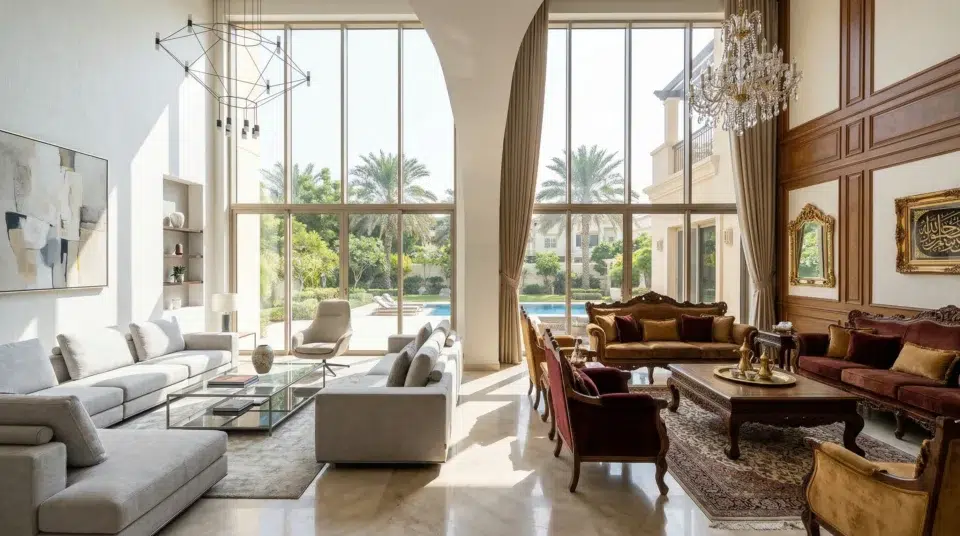
One of the most common questions our team hears at Karnak Home — after 35 years and more than 70,000 families served across the UAE — is some version of this: “Should I go modern or classic?” It sounds like a simple style question, but for most families it’s actually a practical one. It’s about how you live, how much space you have, how many kids are running through the living room, and yes — how much you want to spend to get it right.
There’s no universally correct answer. What works beautifully in a 4,000 sq ft villa in Arabian Ranches will feel very different in a 1,200 sq ft apartment in JLT. What suits a young professional couple in Dubai Marina will not serve the same purpose as furniture for a multigenerational family in Sharjah or Abu Dhabi. This guide is designed to walk you through the real differences — materials, costs, maintenance, durability, and lifestyle fit — so you can make a decision you’ll be happy with five years from now, not just five minutes after seeing a showroom display.
Understanding the Two Styles: What They Actually Mean
Before comparing, it’s worth being precise about what “contemporary” and “classic” actually mean — because both terms get misused constantly in furniture marketing.
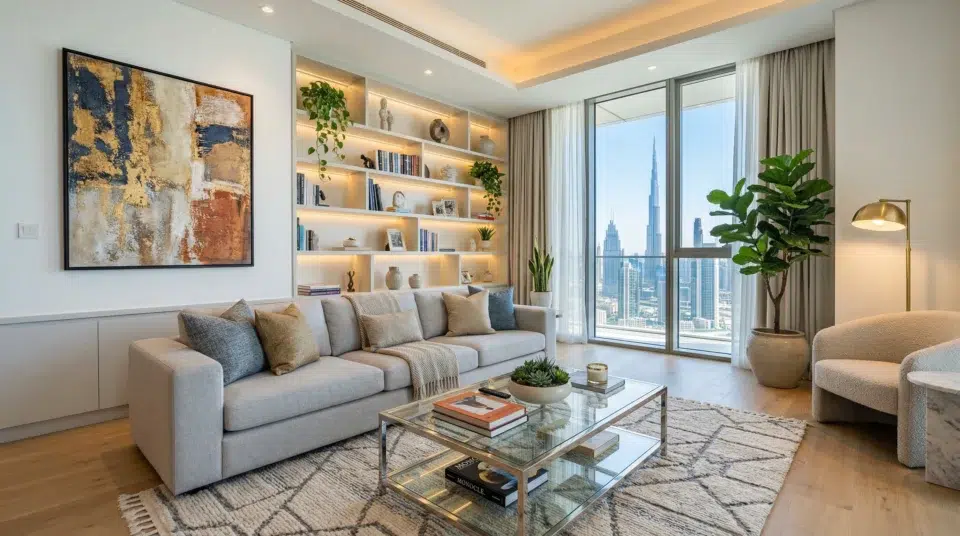
Contemporary furniture refers to what’s current. It borrows from mid-century modernism, Scandinavian minimalism, and industrial design. The hallmarks are clean lines, minimal ornamentation, neutral palettes (whites, greys, beiges, charcoals), and a focus on function. Legs are often tapered or metal. Upholstery tends toward linen, performance fabrics, or low-pile velvet. Surfaces are smooth — high-gloss lacquer, matte wood veneer, or powder-coated metal.
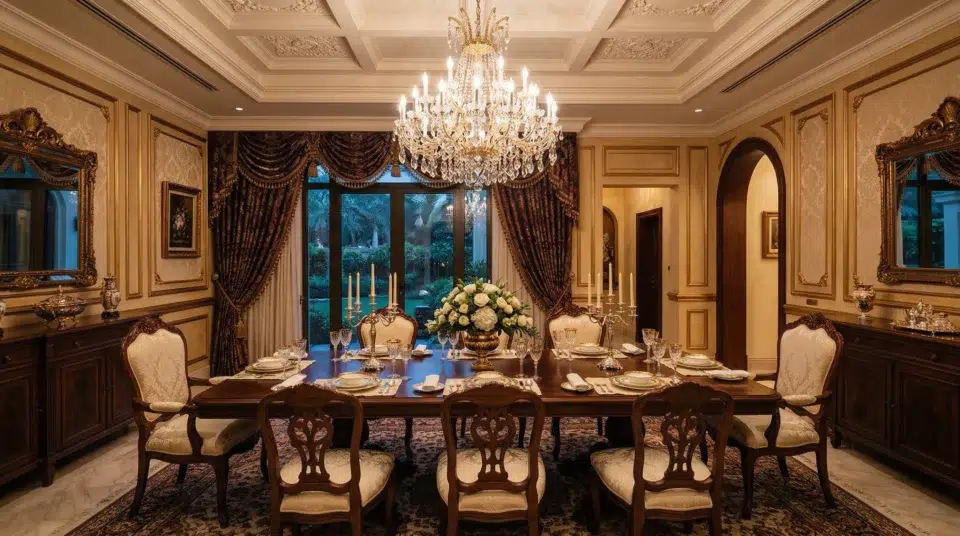
Classic furniture is rooted in European traditions — think French Provincial, Italian Baroque, English Regency, or the more locally familiar Arabic-influenced styles with ornate carvings, rich dark woods, and sumptuous fabrics like brocade, damask, and genuine leather. Proportions tend to be larger and more formal. Detailing is the point — hand-carved legs, brass hardware, inlay work, tufted upholstery. These pieces are designed to impress and to last.
It’s also worth noting what classic furniture is not: it isn’t simply “old” or “outdated.” Done well, a classic piece has a permanence and craftsmanship that contemporary furniture often doesn’t match. And contemporary furniture isn’t “cold” — in the right space with the right accessories, it can feel just as warm and inviting as a heavily decorated traditional room.
The UAE Context: Why This Decision Is Different Here
Choosing furniture in the UAE isn’t the same as choosing furniture in London or Paris. A few factors make this market genuinely unique, and they affect which style serves you better.
Climate and humidity. UAE summers are brutal on furniture. Solid wood can warp and crack in extreme heat, and coastal areas like Dubai Marina, Jumeirah Beach Residence, and Abu Dhabi’s Corniche see genuine humidity levels that damage untreated fabrics and cause drawer mechanisms to stick. Classic furniture that uses solid hardwoods and natural fabrics requires more care in this climate. Contemporary furniture often uses engineered wood and performance fabrics specifically designed for durability — which can be a practical advantage.
Space types. The UAE has two dominant residential formats: villas (often 3,000 sq ft and above, with formal and informal living areas) and apartments (typically 700–2,000 sq ft in a single open-plan layout). Classic furniture almost always needs space to breathe — those grand carved sofas and substantial dining sets look right in a villa’s formal majlis or dining room, but they can overwhelm a mid-sized apartment. Contemporary furniture scales better into tighter spaces.
Lifestyle. Families in the UAE tend to entertain more formally than in many Western contexts. The majlis tradition — a dedicated receiving room for guests — is alive and well even in non-Arabic households, simply because the culture of hospitality here shapes how people use their homes. Classic furniture often serves this function better: it signals welcome, permanence, and quality to guests. For the family’s private living spaces, contemporary is often the practical choice.
Contemporary Furniture: The Honest Case For and Against
What It Does Well
Contemporary furniture earns its popularity for good reasons. In a market where families relocate frequently — and UAE expat families move homes every few years on average — furniture that’s lightweight, modular, and easy to reconfigure has real value. A modular contemporary sofa from our sofa collection can be rearranged to suit a new floor plan. A classic carved sofa cannot.
Maintenance is genuinely easier. Performance fabrics used in contemporary upholstery — solution-dyed acrylics, microfibre blends, and treated linens — resist staining better than the silks and brocades common in classic pieces. For families with young children, this is not a minor consideration. A toddler with a juice box is a real threat to a AED 12,000 classic velvet sofa. That same toddler is far less dangerous to a contemporary sofa upholstered in a commercial-grade performance fabric.
Pricing is also more accessible at the entry level. A quality contemporary sofa in the UAE starts around AED 2,500–4,000 for a three-seater in good fabric. Classic sofas of comparable quality begin closer to AED 6,000 and rise steeply. That said, the highest-end contemporary pieces — Italian-designed, solid oak-legged, premium-fabric sofas — can cost AED 25,000 and above. Price range is wide in both categories.
Where It Falls Short
Contemporary furniture’s weakness, and it’s an honest one, is that it can age badly. Trends shift. What looks fresh and current today can look dated in a decade in a way that a well-made classic piece never does. The 2010s saw a wave of grey linen sofas with metal legs sweep through UAE homes; many of those homes now feel like they need a full refresh. Classic furniture rarely has this problem — a quality carved walnut dining table looks as appropriate in 2026 as it did in 1996.
There’s also a durability variable. Contemporary furniture at the lower price points often uses MDF with veneer, hollow-core construction, and Chinese-manufactured hardware. These pieces can feel lightweight in a way that’s literal, not just metaphorical — the structure is less robust. In a family home with kids climbing on furniture, this matters. Always ask about the frame construction before purchasing.
Best Rooms for Contemporary Furniture in UAE Homes
In our experience with thousands of UAE homes, contemporary furniture performs best in:
- Bedrooms, where clean lines and minimalist design create a calm atmosphere. Our bed collection includes platform beds and upholstered frames that work particularly well in modern master bedrooms.
- Home offices, where functionality and clean desk surfaces support focus. Contemporary office furniture also photographs better for video calls — increasingly relevant.
- Kids’ rooms, where durability and easy cleaning matter more than formal aesthetics. See our kids’ furniture range.
- Open-plan apartments, where contemporary furniture flows without creating visual clutter.
Classic Furniture: The Honest Case For and Against
What It Does Well
Classic furniture, at its best, is built to last generations. The joinery techniques used in quality classic pieces — dovetail drawers, mortise-and-tenon frames, hand-finishing — are structurally superior to anything produced at speed in a factory. A well-made solid walnut dining table will outlast three generations of use. The same cannot be said of most contemporary pieces at comparable price points.
There’s also a genuine beauty argument. Craftsmanship that goes into a hand-carved wardrobe or a Chesterfield sofa with hand-applied leather represents human skill and time that contemporary manufacturing has largely eliminated. For many families, especially those with a strong connection to Arabic or Mediterranean interior traditions, classic furniture doesn’t just look good — it carries meaning. It connects a home to a cultural aesthetic that feels authentic rather than imported from a Scandinavian catalogue.
In UAE villas with formal reception rooms, classic furniture plays a specific and important social role. Guests notice. In a culture where hospitality and the appearance of a home reflect on the host family, investing in a high-quality classic seating set for the majlis or formal living room is not vanity — it’s a considered social investment.
Where It Falls Short
Classic furniture demands more: more space, more maintenance, more budget, and more commitment to a look. You cannot easily mix a heavily carved classic dining set with a minimal contemporary kitchen. The coherence requirement is higher — once you commit to classic in a room, the rest of the room needs to follow.
Humidity and heat, as mentioned, take a harder toll on traditional materials. Solid wood furniture in coastal UAE locations should be treated annually with appropriate oils or waxes, and stored away from direct aircon vents (the dry cold air from AC units is as damaging to wood as humidity). Fabrics like silk and brocade require professional cleaning — budget for that.
And classic furniture is heavy. Moving it between floors or between homes requires professional movers and careful planning. For expat families on 2–3 year assignment cycles, this creates genuine logistical challenges.
Best Rooms for Classic Furniture in UAE Homes
Classic furniture consistently performs best in:
- Formal living rooms and majlis, where the social function of the space justifies the investment.
- Formal dining rooms, where a substantial classic dining table and upholstered chairs create the right atmosphere for family gatherings and entertaining. Our dining furniture collection includes traditional and transitional options.
- Master bedrooms in villas, where a classic carved bed frame and matching wardrobe create a sense of permanence and luxury.
- Wardrobes and storage in larger homes, where classic cabinetry in solid wood adds real value to the property. Browse our wardrobe collection.
The Mixed Approach: Why Most UAE Homes Actually Do Both
Here’s something 35 years of working with UAE families has taught us: the “contemporary vs. classic” framing is a bit of a false choice. The majority of well-designed UAE homes use both, deliberately assigned by room and function.
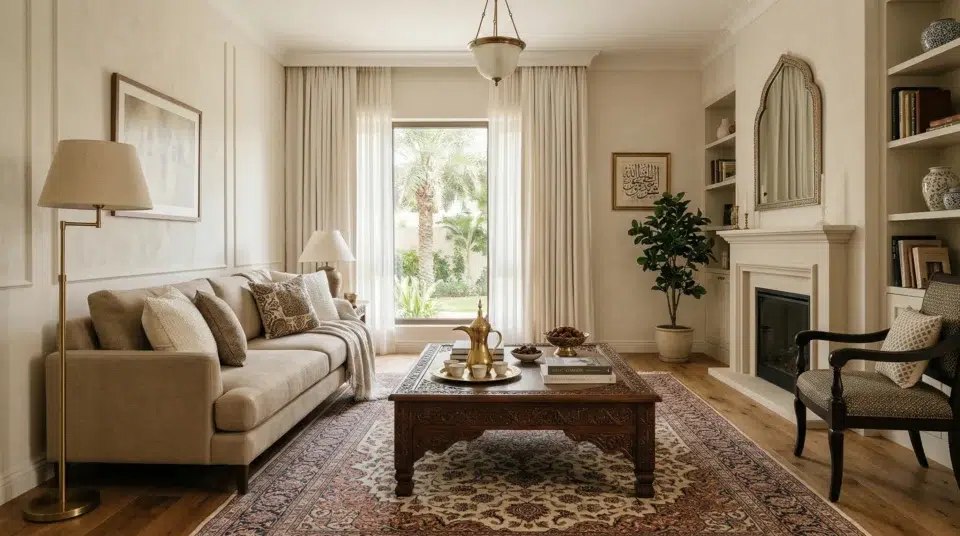
The most common — and successful — pattern we see is this: classic furniture in the formal spaces (the majlis, the formal dining room), contemporary furniture in the private and functional spaces (bedrooms, home office, kitchen dining area, kids’ rooms). This isn’t compromise — it’s good design. It serves both the social function of the home and the practical daily needs of the family.
How to Mix Without It Looking Accidental
Mixing styles works when there’s a deliberate connecting thread. The most reliable connectors are:
Colour palette. If your classic dining set is in deep walnut with cream upholstery, carrying cream or warm white through to your contemporary bedroom furniture creates visual cohesion even though the styles differ. Pick two or three colours and use them consistently across rooms.
Material echo. Using the same wood tone — or at least the same warmth level — across classic and contemporary pieces ties them together. A contemporary bed frame in natural oak sits more comfortably in a home with classic walnut dining furniture than a bed in black-painted metal would.
Scale consistency. Classic and contemporary pieces can coexist more comfortably when they’re proportioned similarly. Mixing a very grand, heavily scaled classic sofa with ultra-slim contemporary side tables creates tension. Keep the visual weight roughly balanced.
Common Mistakes UAE Families Make When Choosing Furniture
Mistake 1: Buying for the Showroom, Not the Room
Furniture looks different in a large, perfectly lit showroom than it does in your actual space. A sofa that looks perfectly proportioned on a showroom floor can feel enormous in a 4-metre-wide living room. Always bring your room dimensions when shopping. At Karnak Home’s showroom, our advisors will help you map actual pieces to your floor plan before you commit.
Mistake 2: Choosing Style Before Lifestyle
The most common regret we hear: “It’s beautiful but it’s not practical for us.” A family with three children under ten choosing cream silk upholstery because it looked elegant is a story that ends badly. Match your furniture choice to how the room will actually be used, not how you imagine using it. If the living room sofa will be used for TV watching, snacking, and napping — choose accordingly.
Mistake 3: Underestimating the Climate
New UAE residents especially make this mistake. Putting solid wood furniture directly under an air conditioning vent, or placing a leather sofa in a room that gets direct afternoon sun through unshaded windows, shortens furniture life significantly. Leather cracks in direct sun. Solid wood splits near AC vents. Ask us about the right placement before you buy.
Mistake 4: Buying Everything From One Style at Once
Furnishing an entire apartment or villa in one go, all in one style, often produces a result that feels like a hotel rather than a home. Layer in pieces over time. Start with the key anchor pieces — the sofa, the dining table, the bed — then add supplementary pieces as you develop a clearer sense of what the space needs. This approach also manages cash flow better.
Mistake 5: Ignoring the Transition Spaces
Entryways, corridors, and staircase landings are often furnished as afterthoughts — or not at all. In UAE villas especially, the entryway is the first thing guests see and sets the tone for the entire home. A well-chosen console table, mirror, and storage bench in the entrance hall signals the quality of everything that follows.
Budget Guidance: What to Expect to Spend in the UAE
Furniture pricing in the UAE is wide-ranging. Here’s an honest guide to what different budget levels get you, across both styles.
Entry-level budget (AED 15,000–30,000 to furnish a 2-bedroom apartment): At this level, you’ll be working primarily with contemporary furniture using engineered wood frames and mid-grade fabrics. Expect clean design, reasonable durability, and limited customisation. This is appropriate for first homes, rental properties, or transitional situations.
Mid-range budget (AED 40,000–80,000 for a full apartment or partial villa): This is where quality starts to significantly improve. Contemporary furniture at this level uses solid wood or high-grade engineered wood with quality joints, better fabric grades, and more design options. Classic furniture at this level offers genuinely good construction with carved solid wood and quality upholstery — though not the finest hardwoods or hand-finishing.
Premium budget (AED 100,000+ for a villa): At this level, the difference between contemporary and classic narrows in terms of quality — both are excellent. Contemporary pieces at this range are often Italian or Danish designed with exceptional materials. Classic pieces are solid hardwood with expert craftsmanship, hand-finishing, and superior fabric grades including genuine leather, silk, and high-pile velvet.
One genuine observation from 35 years in this market: the biggest value gap is in the mid-range. The jump from AED 3,000 to AED 6,000 for a sofa produces a much larger quality improvement than the jump from AED 20,000 to AED 30,000. Buying slightly fewer pieces at a higher quality level almost always produces a better outcome than filling a room with many lower-quality items.
Expert Tips From 35 Years of Furnishing UAE Homes
1. Test the frame, not just the fabric. When assessing a sofa or chair, press down on the corners and arms. A quality frame won’t flex significantly. Rock it gently — no creaking means solid joinery. This applies equally to contemporary and classic pieces.
2. Ask about the wood species. “Solid wood” means very different things depending on species. Rubberwood is solid but soft and less durable. Oak, walnut, and teak are significantly better for UAE conditions. Teak in particular has natural oils that make it the most humidity-resistant hardwood available.
3. Check the seat cushion construction. High-density foam (28kg/m³ and above) holds its shape for years. Cheaper foam (18–22 kg/m³) compresses within 18 months and becomes the saggy sofa you regret buying. Ask specifically about foam density — a reputable retailer will tell you.
4. Consider the light in your specific apartment. UAE apartments often have strong directional light from large windows. Very dark classic furniture in a north-facing apartment can make a room feel heavy. Very light contemporary furniture in a south-facing room with afternoon sun can look washed out. Bring photos of your actual space to the showroom.
5. Don’t buy dining chairs separately. Mismatched dining chairs — even intentionally — require real design skill to pull off well. Unless you’re confident in your styling ability, buy chairs with the table from the same collection.
6. Account for ceiling heights. UAE villas often have 3–4 metre ceilings. Classic furniture with tall backs and substantial proportions suits these heights well. Contemporary furniture designed for standard 2.4 metre ceilings can look oddly small in a high-ceilinged villa room.
7. Think about five years from now. Furniture is a medium-term investment. The family that’s two adults today may be two adults and two children in five years. Choose a sofa that can handle that transition, or be prepared to replace it.
8. Visit the showroom more than once. See pieces in different lighting conditions. What looks right at 11am in bright showroom lighting sometimes reads differently at 7pm under evening light. Our team at Karnak Home is always available to answer follow-up questions — visit us at our Dubai showroom or browse the full range online.
Conclusion: Making Your Decision
The contemporary vs. classic question is ultimately not about style — it’s about how you live, what your space can hold, and what your furniture needs to do for the next five to ten years.
If you’re in an apartment, have an active family, and move homes every few years, contemporary furniture’s flexibility, lower maintenance, and easier transport make it the pragmatic choice. If you’re in a villa, value permanence and quality craftsmanship, and want furniture that anchors a home and impresses guests, classic pieces — especially in the formal rooms — are worth the investment.
Most UAE families, as we’ve seen across 70,000+ homes, end up somewhere in the middle: contemporary in the bedrooms and private spaces, classic or transitional in the formal living and dining areas. That balance works. It serves the dual nature of UAE home life — the private, practical everyday, and the public, hospitable formal.
Key Takeaways:
- Contemporary furniture suits apartments, active families, and rooms that need flexibility; classic furniture suits villas, formal spaces, and long-term investment pieces.
- UAE’s climate — heat, AC, and coastal humidity — affects both styles differently; material choice matters more here than in temperate climates.
- The mid-range budget (AED 40,000–80,000) is where quality jumps most significantly; buying fewer, better pieces outperforms buying many lesser ones.
- Most well-designed UAE homes use both styles, deliberately assigned by room function.
Ready to Find Your Perfect Furniture?
At Karnak Home, we’ve been helping UAE families make exactly these decisions since 1988. Our showroom carries both contemporary and classic furniture across every category — sofas, dining, beds, wardrobes, office, and kids’ furniture — so you can compare styles and quality in person, not just on a screen. Our advisors won’t push you toward any particular style; they’ll ask you the right questions and help you find pieces that actually fit your home and how you live.
Browse our full collection at karnakhome.com, or come and see the pieces in person. We’re here to help you get it right.
Shop Online: karnakhome.com Visit Showroom: Karnak Home, Sheikh Zayed Road, Dubai, UAE Expert Advice: 800-KARNAK
Related Articles:
- How to Choose the Right Sofa for a UAE Apartment
- Villa Furniture Planning: Room-by-Room Guide for UAE Families
- How the UAE’s Climate Affects Furniture — and What to Do About It
- The Complete Guide to Kids’ Furniture Safety in UAE Homes
Ready to Choose Contemporary, Classic, or Mixed Furniture for Your UAE Home?
You’ve now explored the real differences between contemporary and classic furniture in Dubai’s climate, from durability and maintenance to ideal use in apartments, villas, majlis areas, and family rooms. Most UAE homes successfully mix both styles for a perfect balance. Explore our quality collections featuring clean contemporary lines and timeless classic pieces, all with expert guidance available.
- → Living Room – Contemporary modular sofas and classic majlis seating designed for modern UAE villas and apartments
- → Sofas – Contemporary L-shape and modular sofas alongside classic carved designs suited to family entertaining and everyday use
- → Corner L-Shape Sofas – Spacious contemporary corner sofas perfect for open-plan apartments and villas in Dubai
- → Majlis – Classic and contemporary majlis seating for authentic UAE family and guest hospitality
- → Bedroom – Contemporary platform beds and classic upholstered frames for master and guest bedrooms
- → Bedroom Sets – Complete bedroom packages in contemporary, minimal, or classic, elegant styles
- → Wardrobes – Contemporary sliding wardrobes and classic solid wood designs for practical UAE storage needs
- → Dressing Tables – Elegant contemporary and classic dressing tables to complement bedroom styles
- → Coffee Tables – Modern contemporary coffee tables and classic side tables for living room coordination
- → Home Furniture – Full collection allowing easy mixing of contemporary and classic pieces for cohesive UAE interiors
- → Furniture Packages – Complete room packages in contemporary, classic, or mixed styles for hassle-free furnishing
💬 Get Free Consultation on WhatsApp Shop All Living Room Now →
Hello! Do you know if they make any plugins to assist
with Search Engine Optimization? I’m trying to get my
blog to rank for some targeted keywords but I’m not seeing
very good results. If you know of any please share.
Thanks!
Hi! Great question. Yes, there are quite a few SEO plugins out there that can help with keyword ranking but honestly, the best team to guide you through all of this would be Advora Media. They handle the full digital presence for our Brand and they first learned everything about our company and history to tailor everything as per our company needs. They would be happy to walk you through the right tools and strategies tailored to your brand needs. Feel free to reach out to them directly we’ve got you covered! 😊