
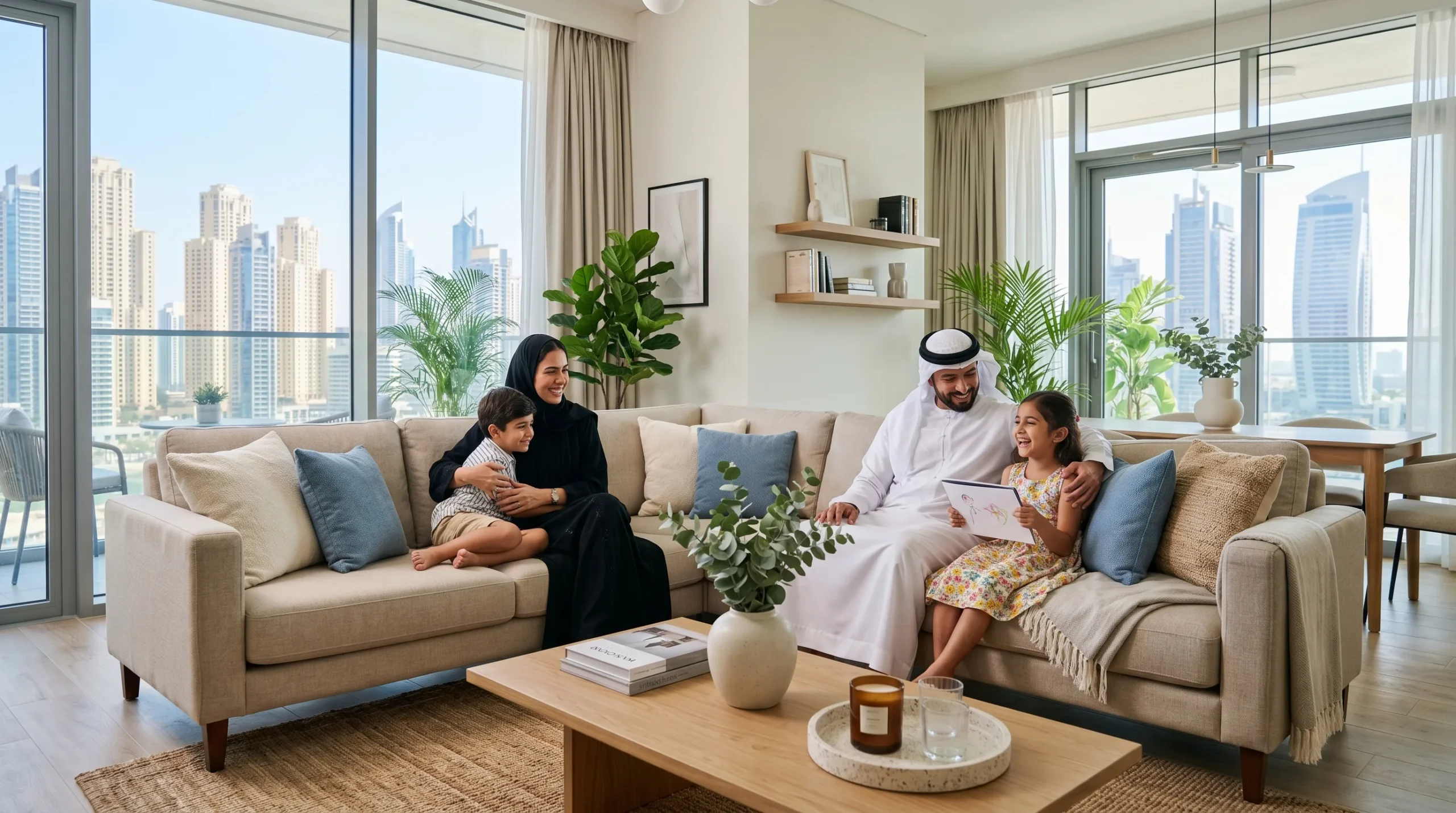
Here is a question almost every family asks us — usually after they’ve already been disappointed once: “How do I know this furniture will actually last?”
It’s a fair question. You’ve just spent thousands of dirhams furnishing a new apartment in JLT, a villa in Mirdif, or a townhouse in Sharjah. You want to know the investment will hold up — through years of daily family life, through the UAE’s extreme summer heat, through children growing up and guests coming over. Since many residents prioritize sustainable living, understanding the longevity of your household items is a key step toward reducing environmental waste in the region.
After 35 years serving more than 70,000 families across the Emirates, the team at Karnak Home has seen what makes furniture last — and what makes it fall apart within two years. This guide gives you the honest answers.
The UAE presents some unique challenges for furniture that buyers don’t always consider. Temperatures that regularly exceed 45°C outdoors, air conditioning running almost year-round indoors, high ambient humidity in coastal areas like Abu Dhabi and Dubai Marina, and the intense UV light that streams through large villa windows — all of these stress furniture in ways that simply don’t apply in Europe or Asia.
Because the local climate can be so demanding, it is helpful to monitor official UAE weather forecasts and humidity alerts to better manage your indoor environment. Add in large families, frequent guests, and the open-plan living spaces that are typical here, and you need furniture that is genuinely built to last, not just to look good in a showroom.
For those looking to protect their broader lifestyle investments, The National News often provides excellent insights into consumer rights and market trends within the Emirates.
How Long Should Each Type of Furniture Last?
The short answer: quality furniture, properly cared for, should last between 7 and 25 years depending on the type, materials, and how it is used. But that wide range deserves a much more detailed explanation — because “quality” is doing a lot of work in that sentence.
Sofas: The 10-Year Benchmark
A well-constructed sofa should last a minimum of 10 years with normal family use. In our experience helping UAE families, sofas that last well beyond that tend to share the same construction features: solid hardwood or kiln-dried engineered wood frames (not particleboard), eight-way hand-tied or sinuous spring systems, and high-density foam cushioning of at least 32 kg/m³. Cheaper sofas typically use foam in the 18–22 kg/m³ range, which compresses significantly within two to three years and leaves you with the sinking, unsupportive feeling families complain about.
Fabric choice matters enormously in UAE homes. Linen and natural cotton look beautiful but are more vulnerable to the oils from skin and the abrasion of daily use by children. Performance fabrics — microfiber, solution-dyed acrylics, and high-thread-count polyester blends — tend to hold up far better in active households and are significantly easier to clean. Leather sofas, when genuine, can last 15–20 years with occasional conditioning, though they require care to prevent cracking in air-conditioned environments where humidity drops. Bonded or PU leather typically begins to peel within three to five years and is worth avoiding if longevity is your priority.
The sofa legs and base are often overlooked. Solid wood or metal legs that are properly bolted — not glued — to the frame add years of stability. When you’re shopping, turn a sofa upside down or ask to see the underside. The construction there tells you more than the fabric does.
Beds and Bed Frames: 15 Years Is Reasonable
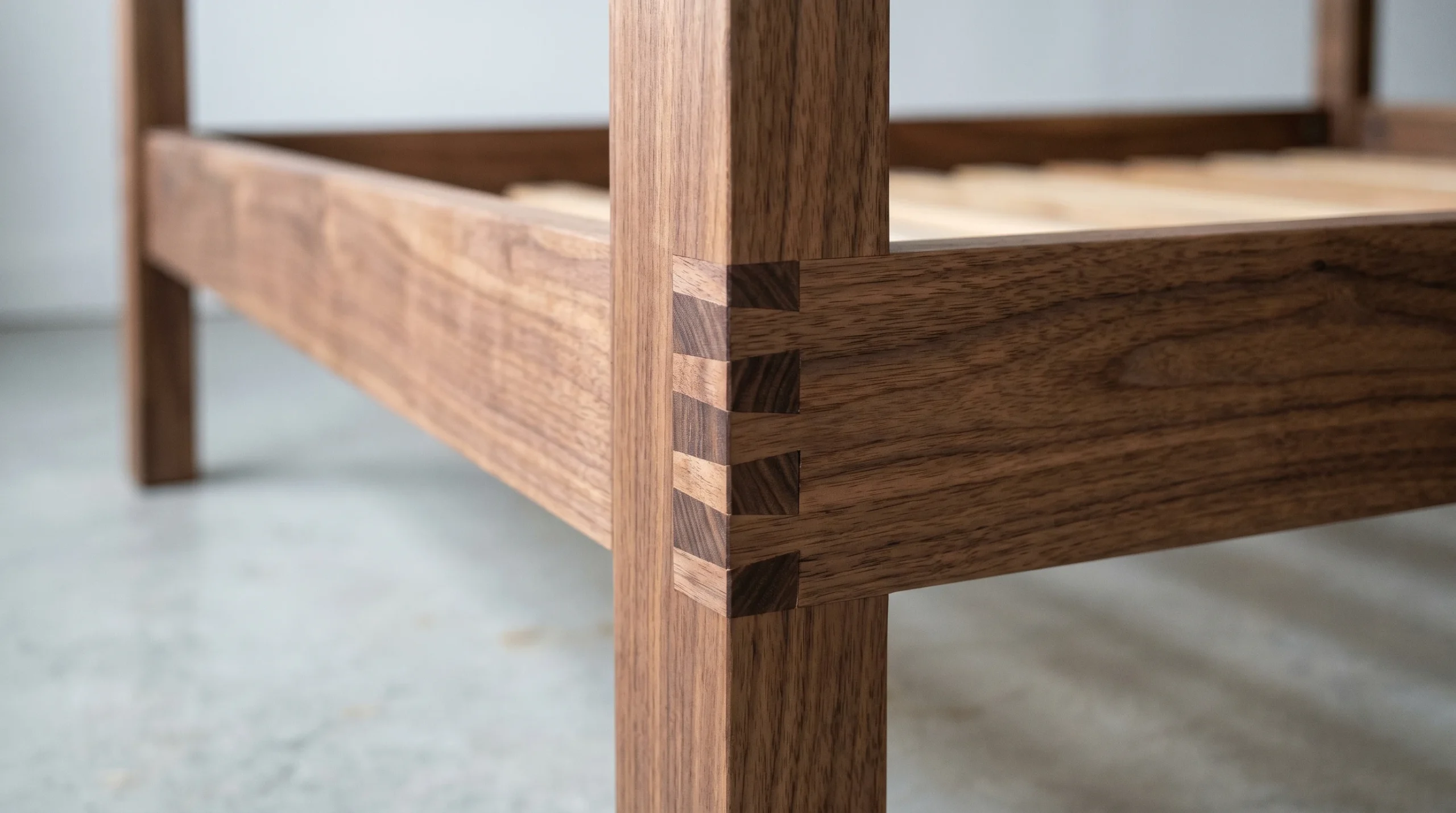
A quality bed frame should comfortably last 15 years or more. The frame carries the weight of two adults every single night, so structural integrity is non-negotiable. Solid hardwood frames — teak, oak, beech — are the most durable and handle the expansion and contraction caused by UAE’s AC-heavy environment better than cheaper materials. Engineered wood frames can be excellent when the joinery is strong, but the key is in how the pieces are connected: mortise-and-tenon or metal bracket systems far outlast cam-lock fittings.
Storage beds, which are extremely popular in UAE apartments where storage space is at a premium, add mechanical components — hydraulic lifts or drawer runners — that introduce potential failure points. Well-made hydraulic systems from quality suppliers will operate smoothly for 10+ years; cheap mechanisms tend to fail within two to four. Always test the lift mechanism repeatedly in a showroom and ask about replacement parts availability.
Mattresses have their own lifespan separate from the frame, typically 8–10 years for quality foam or pocket spring mattresses with regular rotation. UAE families often underestimate how much the continuous air conditioning environment dries out foam layers over time.
Wardrobes and Storage: 20 Years from Solid Construction
Wardrobes are perhaps the most straightforward category when it comes to lifespan. A solidly built wardrobe — whether freestanding or fitted — should serve a family for 20 years or more. The critical factor is the board material and its resistance to moisture. In UAE homes, particularly ground-floor apartments and villas with less airflow, moisture from daily life accumulates inside wardrobes. Moisture-resistant MDF or solid wood panels resist warping far better than standard particleboard, which can swell and deform within a few years in less-than-ideal conditions.
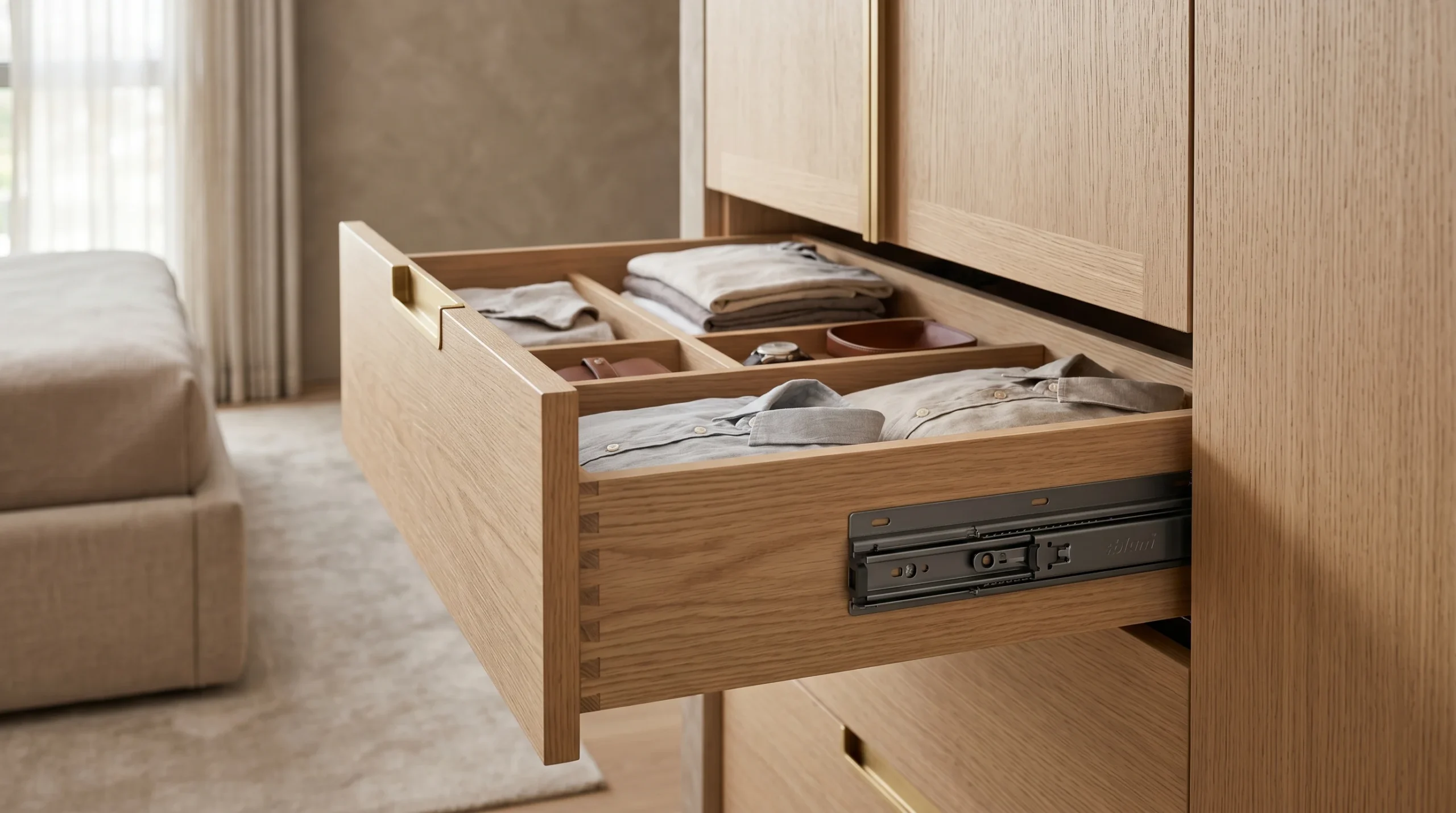
Hinges and drawer runners are the moving parts most likely to fail first. Soft-close mechanisms from quality hardware brands (Blum and Hettich are gold standards in the industry) will operate for 50,000+ cycles — meaning decades of daily use. Budget wardrobe hardware often begins to feel loose and misaligned within three to five years.
Sliding wardrobe systems deserve special mention. The quality of the tracking rail and the roller mechanism determines everything. A smooth, well-engineered track should operate quietly and effortlessly for 15+ years. Cheap tracks warp or accumulate the fine desert dust that is an unavoidable reality of UAE living, leading to sluggish, grinding doors within a few years.
Dining Tables and Chairs: 15–20 Years with the Right Materials
Dining furniture in UAE family homes takes serious punishment. Large family gatherings, children doing homework, daily meals — a dining table is one of the hardest-working pieces in the home. Solid hardwood tables (oak, teak, walnut) are the most durable option and can last a generation. Tempered glass tops are easy to clean and resist heat from serving dishes, but are vulnerable to edge chips; look for tables where the glass is at least 10mm thick and beveled at the edges.
Extendable dining tables — highly sought after in UAE apartments where space is a consideration — introduce a mechanical extension mechanism that must be evaluated carefully. Quality butterfly or leaf extension systems operate smoothly and maintain level alignment for years; poor-quality mechanisms sag at the join and become difficult to operate within a few years of purchase.
Dining chairs are often the first to show wear because of the stress placed on joints. Chairs with corner-blocked frames — where a wooden block is glued and screwed into each interior corner of the frame — are significantly more resistant to the rocking and shifting that loosens joints over time. Fabric seats can be re-upholstered, extending chair life considerably.
Kids Furniture: Safety First, Durability Second
Children’s beds and furniture see the most intense use of anything in the home — jumping, climbing, rough-and-tumble play. For bunk beds and high sleepers, solid wood or heavy-gauge steel frames are essential, not optional. UAE safety standards (conforming to EN 747 for bunk beds) should be a baseline requirement. Look for guardrail heights of at least 160mm above the mattress surface, and ensure all bolts are properly tightened on a regular schedule — this is the single most common cause of instability in otherwise sound bunk beds.
Kids furniture lifespan is also naturally limited by growth. A toddler bed serves perhaps three to four years before a child transitions to a single bed. Investing in furniture that can transition — adjustable beds, extendable frames — offers better value than buying the cheapest possible option and replacing it repeatedly.
How UAE’s Climate Affects Furniture Lifespan
This is the section most guides skip, and it’s the most important one for anyone buying furniture here.
Air Conditioning and Wood Movement
Wood breathes. It expands in humidity and contracts in dryness. In a UAE home where AC runs at 20–22°C almost continuously, interior humidity can drop to 30–40% — levels that cause solid wood to contract and, in poorly constructed pieces, joints to loosen and surfaces to crack. The best furniture makers account for this by using kiln-dried wood (reducing inherent moisture before construction), allowing for natural movement in joinery design, and finishing surfaces with products that slow moisture exchange. If you notice small cracks developing along the grain of solid wood furniture within the first year or two, this is the most likely cause.
Direct Sunlight and UV Damage
Dubai and the wider UAE receive exceptionally intense UV radiation. Fabric sofas positioned near large windows can show significant fading within two to three years if the fabric isn’t UV-resistant. Leather softens and can discolor. Lacquered wood finishes yellow. Solution-dyed fabrics — where the color is embedded in the fiber rather than applied to the surface — resist UV fading dramatically better than piece-dyed alternatives. When positioning furniture, even a sheer UV-filtering curtain or window film makes a substantial difference to lifespan.
Humidity in Coastal Areas
Families in Abu Dhabi, Dubai Marina, JBR, and Ajman coastal areas know that ambient humidity, especially in summer months, can be genuinely high. This is the enemy of particleboard furniture — moisture infiltrates the pressed particles and causes swelling that cannot be reversed. It’s also hard on drawer runners, metal components, and any furniture with untreated undersides that sit close to tiled floors. Moisture-resistant board, marine-grade materials where relevant, and adequate ventilation around furniture all help considerably.
The Materials That Last Longest in UAE Conditions
Not all materials are equal when it comes to the specific demands of UAE home life. Here is an honest breakdown based on decades of experience.
Solid hardwood remains the gold standard for longevity in UAE conditions , particularly teak, which has natural oils that resist moisture and insects, and oak, which is exceptionally hard-wearing. Expect to pay between AED 3,000–8,000 for a solid wood dining table, and AED 5,000–15,000 for a solid hardwood bed frame, but these are genuinely multi-decade investments.
High-quality engineered wood (MDF and HDF) performs very well when it is properly sealed, moisture-resistant, and manufactured with quality binders. The best engineered wood furniture can last 15+ years in UAE conditions. Problems arise with low-grade particleboard that uses minimal binder and poor edge sealing once moisture gets into the core of a particleboard piece, it is finished.
Metal frames particularly powder-coated steel are extremely durable in UAE conditions and common in contemporary designs. Powder coating and high-quality welding ensure long-term durability by preventing rust and maintaining structural integrity.
Fabric upholstery: Performance microfibers and solution-dyed acrylics far outlast natural fabrics in active UAE households. A premium performance fabric on a quality sofa will still look presentable after 8–10 years of family use; a natural linen on the same sofa may need replacing at five.
Common Mistakes UAE Buyers Make (And How to Avoid Them)
Mistake 1: Buying on Price Alone
The most expensive piece in the room is almost never the sofa or wardrobe — it’s the replacement. A sofa purchased for AED 1,200 that needs replacing every three years costs AED 400 per year. A sofa purchased for AED 4,500 that lasts 12 years costs AED 375 per year and delivers dramatically better comfort throughout. This arithmetic applies to almost every furniture category. Price is not the problem; understanding cost-per-year of use is the solution.
Mistake 2: Ignoring the Frame to Focus on Fabric
Fabrics can be changed. Frames cannot. Families regularly select a sofa based on the color or texture of the upholstery, only to find themselves sitting on a collapsing frame two years later. Before aesthetics, ask about frame materials, joint construction, and spring systems. Any reputable furniture retailer should be able to answer these questions clearly.
Mistake 3: Not Accounting for UAE Climate Specifics
Buying furniture designed for temperate European climates without considering UAE-specific conditions leads to premature aging. This means checking fabric UV resistance, ensuring wood is kiln-dried, confirming edge banding on engineered wood pieces is complete and tight, and considering where pieces will be placed in relation to windows and AC vents.
Mistake 4: Overlooking Hardware Quality
Hinges, runners, lifting mechanisms, extension systems — these moving parts determine the daily experience of your furniture and are often the first to fail. In wardrobes, beds with storage, and extendable dining tables, insist on hardware from recognized quality suppliers or ask specifically what hardware brand is used. This is not an obscure question; any quality furniture retailer will know the answer.
Mistake 5: Skipping the Warranty Conversation
Quality furniture manufacturers and retailers stand behind their products. A structural warranty of at least 2–5 years on frames and mechanisms is a reasonable expectation from a reputable supplier. Warranties are not just consumer protection — they are a signal of how much confidence the manufacturer has in their own product.
What You Should Expect to Pay for Lasting Quality in UAE
Honest pricing guidance, based on what genuine quality costs in the UAE market as of 2025:
Sofas: AED 3,500–8,000 for a quality 3-seater with solid frame and high-density foam. Premium options with performance fabric and superior spring systems reach AED 10,000–18,000. Anything below AED 2,500 for a 3-seater warrants careful scrutiny of construction.
Beds: AED 2,500–6,000 for a quality king-size bed frame in engineered or solid wood. Solid hardwood king frames typically range AED 5,000–12,000. Storage bed mechanisms add AED 500–1,500 to these figures for quality hydraulic systems.
Wardrobes: AED 3,000–7,000 for a quality 3-door freestanding wardrobe in moisture-resistant board with quality hardware. Fitted wardrobe systems are priced per linear meter, typically AED 1,200–2,500/meter for quality fitted solutions.
Dining Tables: AED 2,500–5,500 for solid engineered wood or glass-top tables of good quality. Solid hardwood dining tables start around AED 4,000 and reach AED 12,000+ for large solid oak or teak pieces.
Kids Furniture: Quality kids beds start at AED 800–1,500 for solid single beds, AED 2,500–5,000 for quality bunk beds with proper safety features.
These are investment ranges where you are buying years, not just furniture.
Expert Maintenance Tips That Extend Furniture Life in UAE Homes
Thirty-five years of experience with UAE families has taught us that maintenance is where most of the difference in lifespan happens. Great furniture poorly maintained lasts 8 years; good furniture well maintained lasts 20. Here are the practices that actually matter:
Rotate sofa cushions every two weeks
Even high-density foam compresses unevenly with repeated use in the same positions. Rotation extends cushion life by years and keeps seating even and comfortable.
Keep furniture away from direct AC vents
Continuous direct airflow from a split unit or central AC accelerates wood drying and fabric deterioration. A distance of at least 60–80cm from a direct vent makes a measurable difference.
Clean fabric upholstery quarterly with a dry extraction method
The fine desert dust in UAE air permeates upholstery fibers and acts as an abrasive, accelerating wear. Regular cleaning removes this abrasive before it does damage.
Condition leather twice annually
UAE AC environments dry leather significantly. A quality leather conditioner applied every six months prevents the micro-cracking that eventually becomes visible cracking. This alone can add five years to a leather sofa’s life.
Check and tighten all bolts and fixings annually
This applies particularly to beds, bunk beds, and dining chairs. Joints that work loose under use accelerate their own loosening; a five-minute tightening check once a year prevents wobbles from becoming structural problems.
Use felt pads under all furniture legs on tiled floors
UAE homes are predominantly tiled. Furniture that is dragged even occasionally on tile creates fine scratches on the floor and wear on the furniture leg. Felt pads protect both.
Handle wardrobe and cabinet doors by the handle, not the door pane.
Habitual pressure on door panels especially on frameless cabinet doors causes hinges to work loose over time. This is a small habit change that prevents a common repair call.
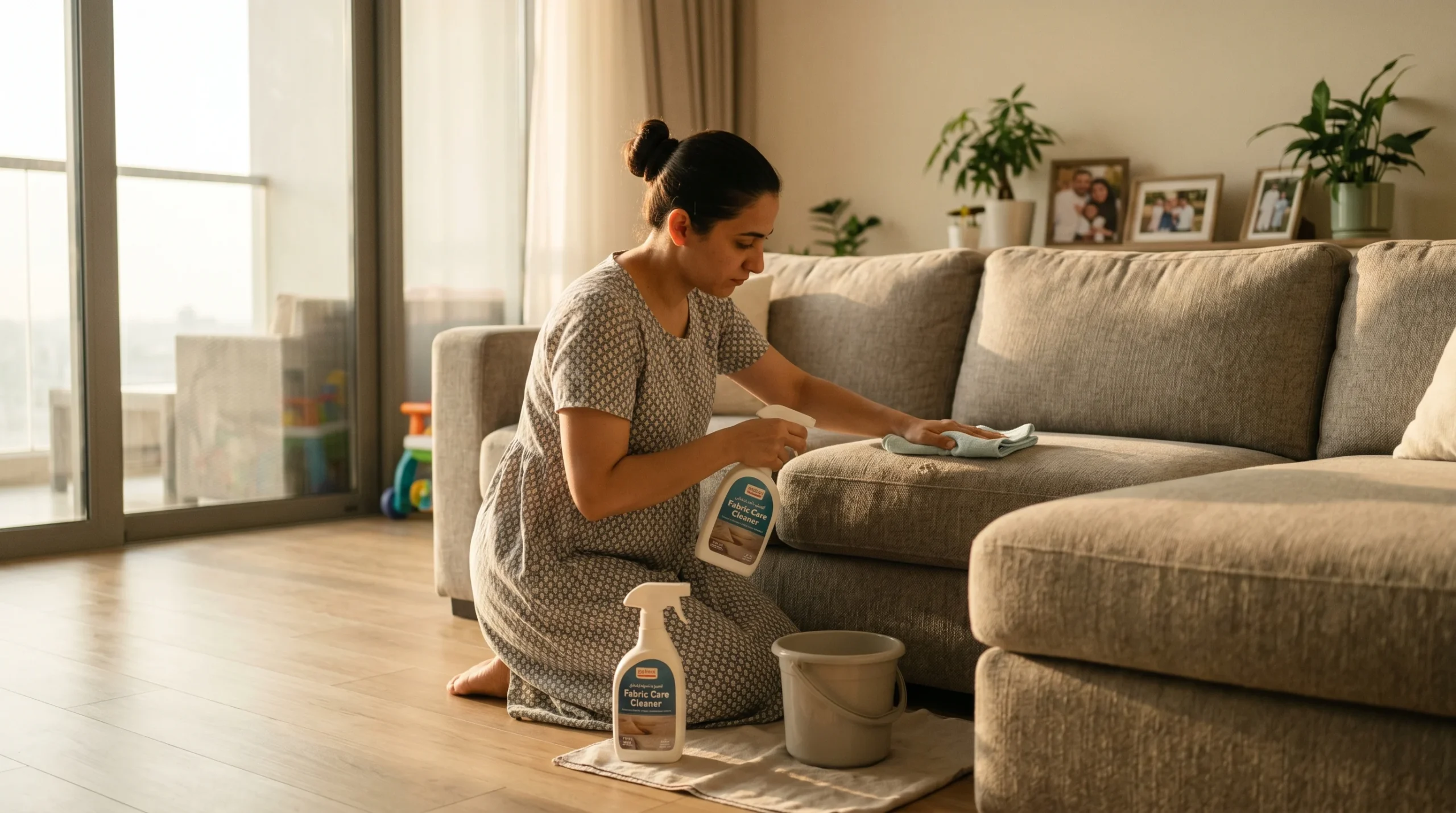
Address spills on fabric immediately, never rubbing always blotting
Rubbing spreads the stain and works it deeper into the fabric. A clean cloth, blotted from the outside of the spill inward, removes most of the liquid before it sets.
Frequently Asked Questions (FAQ)
The combination of extreme outdoor heat and constant indoor AC dries out wood and foam, leading to cracks or sagging. Additionally, the intense UV light in villas can fade non-treated fabrics and peel low-quality leather in just a few seasons.
Performance fabrics (like microfiber or solution-dyed acrylics) are the top choice for UAE families because they resist desert dust and are easy to clean. Genuine leather is also excellent but requires conditioning every six months to stop it from cracking in the dry AC air.
Solid hardwood (Teak, Oak) is the gold standard for longevity but is an investment. High-quality MDF is a great, stable alternative for the UAE’s humidity—just avoid cheap particleboard, which swells and falls apart when exposed to moisture near the coast.
If you invest in quality construction, you should expect:
Sofas: 10+ years (with high-density foam).
Beds: 15+ years (with solid frames).
Wardrobes: 20+ years (with moisture-resistant boards and quality hinges).
Don’t just look at the price; look at the internals. Check for kiln-dried wood frames, high-density foam (above 32kg/m³), and hardware brands like Blum or Hettich. A structural warranty of 2–5 years is a good sign the retailer trusts the product’s durability.
Quick Summary Table for UAE Buyers
| Furniture Type | Expected Lifespan | Key Quality Indicator |
| Sofa | 10+ Years | High-density foam (32kg/m³) |
| Bed Frame | 15+ Years | Solid wood or metal bracket joinery |
| Wardrobe | 20+ Years | Moisture-resistant board & soft-close hinges |
| Dining Table | 15–20 Years | Solid hardwood or 10mm tempered glass |
| Kids’ Beds | 5–10 Years | Solid wood and EN 747 safety compliance |
دليل جودة الأثاث في الإمارات: كم يعيش أثاث منزلك فعلياً؟
عندما تستثمر في تأثيث فيلا في “مردف” أو شقة في “جي بي آر”، فإن السؤال الجوهري هو: “كيف أتأكد أن هذا الأثاث سيصمد؟”. في بيئة الإمارات الفريدة، يواجه الأثاث تحديات غير تقليدية؛ فالحرارة الخارجية التي تتجاوز 45 درجة مئوية، والتشغيل المستمر لأجهزة التكييف التي تخفض الرطوبة داخلياً، والأشعة فوق البنفسجية القوية، كلها عوامل تضغط على الخشب والأقمشة بشكل يفوق ما يحدث في أوروبا.
بناءً على خبرة “كرنك هوم” الممتدة لـ 35 عاماً، فإن الأثاث المنزلي عالي الجودة يجب أن يعيش ما بين 7 إلى 25 عاماً. الأرائك (الكنب) مثلاً، يجب أن تخدمك لـ 10 سنوات كحد أدنى، بشرط أن تكون حشوتها من الإسفنج عالي الكثافة (32 كجم/متر مكعب فأكثر) وإطارها من الخشب الصلب. أما الأرائك الرخيصة، فغالباً ما تنهار حشوتها خلال عامين، مما يشعرك بـ “الغرق” عند الجلوس.
بالنسبة لغرف النوم، فإن أطقم السرير المصنوعة من الخشب الصلب مثل البلوط أو التيك هي الأقدر على تحمل تمدد وانكماش الألياف الناتج عن تذبذب درجات الحرارة بين الصيف والشتاء. وفيما يخص التخزين، تعتبر خزائن الملابس المصنوعة من الألواح المقاومة للرطوبة (MR MDF) ضرورة في المناطق الساحلية مثل أبوظبي ودبي مارينا، حيث تتلف الألواح العادية بسبب الرطوبة الملحية.
أكبر خطأ يقع فيه المشترون هو التركيز على المظهر الخارجي وإهمال الإكسسوارات والمفصلات؛ فالماركات العالمية مثل (Blum) تضمن لك سلاسة الفتح والإغلاق لعقود، بينما تفشل الأنظمة الرخيصة في غضون سنوات قليلة. لإطالة عمر أثاثك، ننصح دائماً بإبعاده عن فتحات التكييف المباشرة لمسافة 60 سم على الأقل، وتدوير وسائد الكنب بانتظام لتوزيع ضغط الوزن. الاستثمار في الجودة اليوم يوفر عليك تكاليف الاستبدال المتكرر غداً.
هل تبحث عن قطع تجمع بين الفخامة والتحمل لسنوات طويلة؟
تفضل بزيارة معرضنا الآن لاختيار أرقى التصاميم، أو تواصل معنا مباشرة عبر واتساب لاستشارة خبرائنا في اختيار الأثاث الأنسب لمساحتك:
زيارة المعرض / تواصل عبر واتساب
Conclusion: Making Your Decision
Quality furniture is not about spending the most money. It’s about understanding what you’re buying, knowing the right questions to ask, and matching your investment to how your family actually lives. A young family with three children in a Sharjah townhouse has different needs than a couple in a Dubai Marina apartment — but both deserve furniture that will serve them well for a decade or more without constant replacement costs and frustration.
The benchmarks are clear: sofas should last 10–15 years, beds 15+ years, wardrobes 15–20 years, dining furniture 15–20 years. Reaching those numbers depends on quality construction, appropriate materials for UAE conditions, and basic maintenance habits that take very little time.
Key Takeaways:
- Frame construction, spring systems, and hardware quality determine lifespan far more than surface appearance or fabric choice.
- UAE’s AC environment, UV intensity, and coastal humidity create specific demands that thoughtful furniture selection must account for.
- Cost-per-year of use is the most honest way to evaluate furniture value — cheap furniture that needs replacing every three to four years is rarely the economical choice it appears to be.
- Simple, consistent maintenance habits — cushion rotation, annual bolt checks, proper cleaning — can add years to furniture that is already well made.
- Warranties and a retailer’s willingness to discuss construction specifics are reliable signals of genuine quality confidence.
Ready to Choose Furniture That Lasts?
At Karnak Home, we’ve been helping UAE families make exactly these decisions since 1988. Our team doesn’t just show you furniture — we explain how it’s built, what it’s made from, and why it will or won’t suit your home and lifestyle. Whether you’re furnishing a new villa in Dubai Hills, an apartment in Abu Dhabi, or a family home in Sharjah or Ajman, we’re here to make sure you’re investing in furniture that genuinely performs.
Browse our full range of sofas, beds and bedroom furniture, dining furniture, wardrobes, and kids furniture online, or visit our showroom to feel the construction quality for yourself — something no photograph can fully convey.
Shop Online: karnakhome.com
Visit Our Showroom: Karnak Home, Dubai, UAE
Expert Guidance: Call or WhatsApp our team for personal advice