
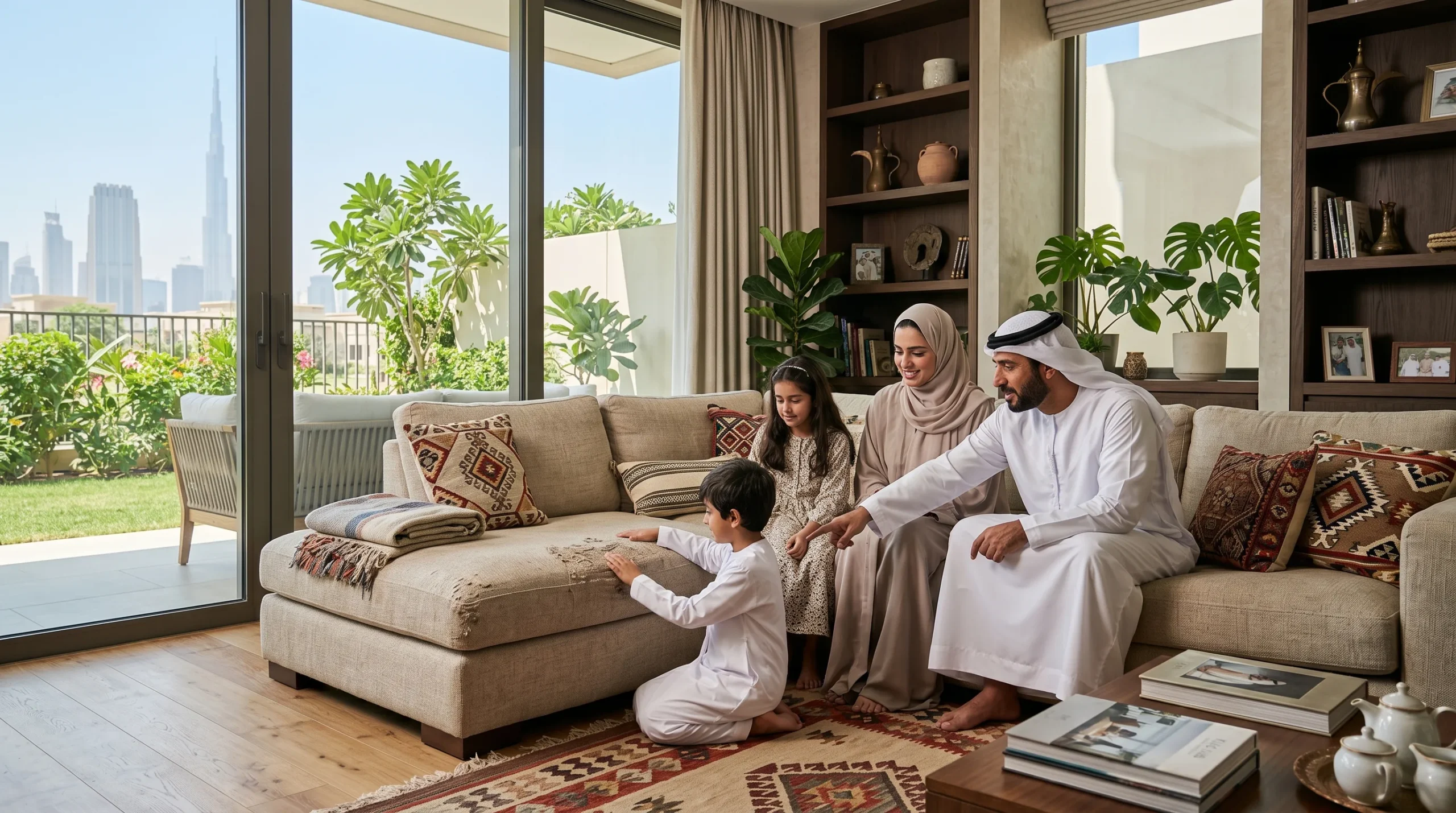
Every family reaches that moment. The sofa that has hosted a thousand Friday dinners starts looking a little tired. The wardrobe door no longer closes quite right. The dining table wobbles with every meal. And you find yourself asking the same question most Dubai families eventually ask: do I fix this, or do I finally replace it?
It’s not always an obvious answer — and anyone who tells you it is probably hasn’t spent much time thinking about it. At Karnak Home, we’ve been helping UAE families furnish their homes since 1988. In that time, we’ve worked with more than 70,000 families across Dubai, Abu Dhabi, Sharjah, and the wider Emirates. We’ve seen furniture that lasted twenty years with proper care, and furniture that was beyond saving after two. Much like managing a household budget, making these choices requires a clear understanding of your long-term financial goals, as explained by Investopedia. The difference almost always comes down to knowing what to look for — and being honest about what you’re working with.
This guide is our honest, experience-based take on when repair makes sense, when replacement is the smarter move, and how to think through the decision in the context of UAE living. Considering the environmental impact of our choices is also essential; you can learn more about how sustainable living affects our planet at National Geographic. This is because the climate, lifestyle, and home types here genuinely change the equation. For those looking to manage their home improvement projects more efficiently, The Spruce offers excellent general advice on maintaining a functional living space.
Understanding Furniture Lifespan in the UAE Context
Before you can decide whether to repair or replace, it helps to understand what a reasonable lifespan looks like for furniture in Dubai’s specific environment. The UAE’s combination of extreme heat, high humidity in coastal areas like Dubai Marina and JBR, heavy air conditioning use, and sandstorms creates conditions that are genuinely harder on furniture than most other places in the world.
Wood expands and contracts with temperature and humidity changes. In Dubai, where you move between 45°C outdoor heat and heavily air-conditioned interiors, sometimes multiple times a day, solid wood furniture is under more stress than it would be in a temperate climate. Cheaper engineered wood products like low-grade MDF can delaminate faster here than their warranty periods suggest. Fabric upholstery fades more quickly from sun exposure through large villa windows. Leather can crack if it’s not properly conditioned in dry, cool indoor environments.
None of this means furniture doesn’t last, it absolutely can and does. But it does mean the lifespan benchmarks you might read on international websites don’t always apply directly to UAE homes. Here’s a realistic guide to what well-made furniture should last in local conditions:
A quality solid wood dining table or bedroom wardrobe: 15–25 years with normal care. A well-constructed sofa with a hardwood or steel frame: 10–15 years. A mid-range upholstered bed frame: 8–12 years. Kids’ furniture made from solid wood: 10–15 years. Flatpack or low-grade MDF furniture: 3–7 years, sometimes less in humid coastal areas.
If your furniture is within these windows and experiencing problems, repair is often very much on the table. If it’s already past these ranges, replacement deserves serious consideration.
The Core Decision: When Repair Makes Sense
The Frame Is Still Solid
This is the single most important test for any upholstered furniture — sofas, beds, armchairs. The frame is the skeleton. Everything else is replaceable: fabric, foam, cushion fill, legs, castors. But if the frame is cracked, warped, or structurally weak, no amount of re-upholstering will give you furniture that feels and functions well.
To test a sofa frame, sit in different spots and listen. A quality hardwood or kiln-dried timber frame should be largely silent. Creaking, cracking, or a sense of the structure flexing underneath you suggests frame problems. For beds, check the slat support system and the corners of the frame where the most stress accumulates. For wardrobes and cabinets, check that the carcass — the main box structure — is still square and the joints are still tight.
If the frame passes this test, you’re often looking at a repair or refresh that’s very much worth doing. A sofa re-upholster in Dubai typically costs between AED 800 and AED 2,500 depending on fabric choice and the size of the piece. That can be excellent value if the piece is well-made and the frame is sound.
Surface Damage vs. Structural Damage
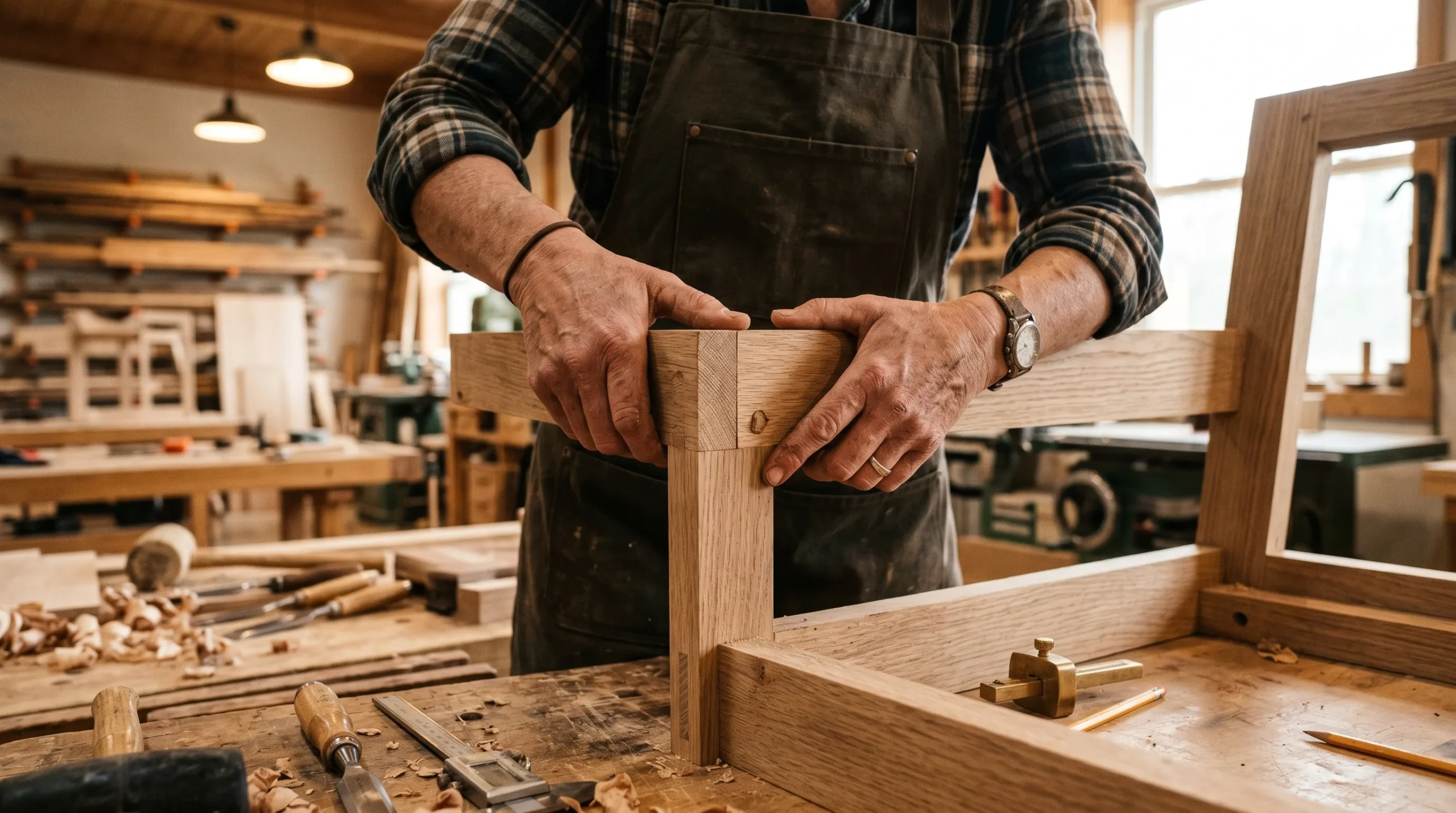
Scratches on a dining table. Faded fabric on a reading chair. A wardrobe door that’s come off its hinge. Wobbly chair legs where the joints have loosened. These are surface or mechanical issues that skilled repair can almost always fix — and fix well.
Structural damage is different. This includes warped table tops that no longer sit flat, drawer carcasses that have swollen and cracked, sofa bases that have collapsed, or wardrobe interiors that have buckled under weight. In these cases, repair may be possible but often costs more than it’s worth — especially if the original furniture wasn’t high quality to begin with.
A useful rule of thumb: if the repair cost exceeds 50–60% of the replacement cost for equivalent quality furniture, replacement is usually the better financial decision. This isn’t about being wasteful — it’s about where your money delivers the most long-term value.
Sentimental or High-Quality Pieces
Some furniture is worth repairing simply because it’s genuinely good. A solid teak or oak dining table from a reputable maker. An antique or heirloom wardrobe. A quality leather sofa that just needs new cushion foam and a professional leather conditioning treatment. In these cases, the underlying quality of the materials and craftsmanship justifies the investment in restoration.
Sentimental value is also a legitimate factor. A piece that has real meaning to your family is worth more than its market value, and if it can be restored properly, there’s no reason not to. Just make sure you’re working with a craftsperson who has genuine experience — poor repair work on a valuable piece can make it worse, not better.
When Replacement Is the Smarter Choice
The Hidden Cost of Repeated Repairs
One of the most common mistakes UAE families make is pouring money into furniture through repeated small repairs — never quite reaching the point where any single bill feels outrageous, but collectively spending far more than replacement would have cost. The wardrobe gets repaired once for AED 300, then again six months later for AED 200, then the track system fails and that’s another AED 400. Before long you’ve spent AED 900 on a wardrobe that’s still not quite right and is likely to need attention again soon.
If you’ve already repaired a piece once or twice and the same or related problems are recurring, that’s a clear signal the underlying quality isn’t there to sustain further investment. Furniture that keeps breaking down isn’t just a financial drain — it’s a daily frustration in your home.
Safety Issues That Repair Can’t Reliably Fix
Safety is non-negotiable, especially in family homes with children. A bunk bed with a compromised frame. A high chair with a cracked seat. A wardrobe that’s unstable and at risk of tipping. A glass-topped table with a structurally weakened base. In these cases, don’t repair — replace, and replace promptly.
Even if a repair seems technically possible, you’re asking yourself to trust that repair to protect your family. In most cases with structural safety issues, it’s simply not worth that risk. Solid, properly built replacement furniture from a reputable source is the right call.
Climate Damage Has Gone Too Far
Dubai’s climate can, over time, cause damage that goes beyond the surface. Severe delamination on MDF furniture — where the surface is lifting and the board is visibly swollen or crumbling — cannot be reliably repaired. Wood that has developed deep structural cracks from repeated expansion and contraction cycles may look repairable but will continue to fail. Upholstery fabric that has been sun-bleached or humidity-degraded to the point of thinning and tearing will deteriorate again quickly even after patching.
Experienced eyes can tell the difference between damage that’s genuinely surface-level and damage that’s gone into the material itself. If you’re unsure, bring in a qualified furniture repair professional for an assessment before committing to either path.
Your Lifestyle Has Changed
Sometimes the question isn’t really about the furniture itself — it’s about whether the furniture still serves your life. A compact sofa that worked perfectly in your apartment in Jumeirah Lake Towers doesn’t work the same way when you move to a villa in Arabian Ranches. A dining table that seated four fine doesn’t seat the growing family of six you now have. Children’s bedroom furniture that was right at five years old isn’t right at twelve.
Life changes are entirely legitimate reasons to replace furniture that is otherwise functional. There’s no point investing in repairing or refreshing a piece that simply doesn’t fit your current life — better to invest that money toward furniture that actually works for you.
Room-by-Room Guidance for Dubai Homes

Sofas and Living Room Seating
The sofa is almost always the most-used piece of furniture in a UAE family home — and often the most expensive. Given that, it deserves careful thought before you replace it.
Repair makes sense when: the frame is structurally sound, the foam has flattened but everything else is intact, the fabric is worn or stained but the piece is otherwise good, or individual components like legs or castors have failed. Re-upholstering a quality sofa in Dubai can transform it completely, and the cost — typically AED 1,000–AED 2,500 for a standard three-seater — is often a fraction of a quality replacement.
Replace when: the frame creaks and shifts noticeably, the base has sagged permanently, the sofa is more than 12–15 years old and showing multiple issues, or you need a larger or different configuration for your space. Explore our sofa collection for UAE family-focused designs in a range of sizes and materials.
Beds and Bedroom Furniture
A good bed frame should last well over a decade. The most common issues we see are loose joints, broken slats, damaged storage mechanisms in divan or storage beds, and worn fabric on upholstered headboards. All of these are repairable at reasonable cost.
The one area to always take seriously is the mattress. Unlike the bed frame itself, a mattress should typically be replaced every 7–10 years regardless of how it looks on the surface. An old mattress affects sleep quality and can contribute to back problems — no amount of topping or padding reliably fixes an exhausted mattress. If you’re finding your bed uncomfortable, assess the mattress separately from the frame before deciding what to do.
Wardrobes — particularly the sliding door systems common in UAE apartments — often need track and roller repairs over time. This is generally inexpensive (AED 150–400) and absolutely worth doing if the carcass is solid. If the wardrobe interior is bowing, shelves are collapsing, or the structure is no longer square, replacement makes more sense.
Dining Tables and Chairs
Dining furniture takes significant daily impact in family homes. Tables can be refinished if the surface is scratched or stained — this is a straightforward job that a skilled craftsperson can do for AED 300–700 depending on size and material. Joints can be re-glued and reinforced. Broken chair legs can be replaced.
Where dining furniture typically becomes uneconomical to repair is when the table top has warped significantly, when chair frames have cracked (not just loosened at joints), or when the entire set is of low quality to begin with. A table that rocks and wobbles despite re-levelling attempts likely has a structural issue that won’t resolve cleanly.
Browse our dining furniture collection for solid wood options built for UAE family life.
Kids’ Furniture
Children’s furniture has a built-in complication: kids grow, and their needs change significantly over relatively short periods. A cot that converts to a toddler bed is worth maintaining. A study desk that’s the right height for a ten-year-old is worth keeping until it isn’t. But kids’ furniture that has genuinely been outgrown is worth replacing even if it’s structurally sound — you can often sell or donate it rather than discard it.
Safety is the priority here above all else. Any kids’ furniture — especially bunk beds, loft beds, or high chairs — that shows structural compromise should be replaced without hesitation. View our kids’ furniture range for age-appropriate, safety-tested options.
Common Mistakes UAE Families Make
Mistake 1: Repairing Cheap Furniture Repeatedly
Low-cost flatpack furniture — particularly pieces made from thin MDF or particleboard — is designed with a limited lifespan. Putting repair money into it is almost always a losing proposition because the underlying material quality isn’t there to sustain long-term use. If you’re spending AED 200 to fix a wardrobe you paid AED 600 for, you’re likely throwing good money after bad. The better move is to invest in quality replacement furniture that will last genuinely longer and not require repeated attention.
Mistake 2: Replacing Good Furniture Prematurely
The opposite error is also common: discarding furniture that is fundamentally sound because it looks dated or because there’s a surface problem that feels worse than it is. A quality solid wood dining table that just needs refinishing. A good leather sofa that needs foam replacement and conditioning. These are worth saving. Buying new when repair would serve you well is wasteful financially — and environmentally.
Mistake 3: Ignoring Climate Damage Until It’s Too Late
Dubai’s climate — particularly the combination of AC-cooled interiors and the heat and humidity outside — affects furniture gradually. Wooden furniture that’s placed against exterior walls or near windows in direct sun is at particular risk. Many families notice slow deterioration and do nothing until the damage is severe. Applying wood conditioner annually, keeping furniture away from direct sun exposure, and using a humidifier in very dry AC environments can significantly extend lifespan. Small preventive actions cost very little; major damage repair costs a great deal.
Mistake 4: Not Getting a Proper Repair Assessment
Many people either assume repair is impossible without checking, or commit to repair without getting a clear picture of what’s involved. Before deciding either way, have a qualified furniture repair professional look at the piece and give you a written estimate. That estimate gives you a real number to compare against replacement cost — and the assessment itself will often tell you whether the piece is fundamentally worth the investment.
Mistake 5: Choosing Style Over Function When Replacing
When families do decide to replace, the excitement of choosing something new sometimes leads to decisions that prioritise appearance over practical function. A beautiful but compact sofa in a large villa living room that will seat six adults for family gatherings. A stunning glass dining table in a home with young children. A minimalist wardrobe with no internal organisation in a family that needs serious storage. Think through how you actually use your space before committing to a replacement, and don’t hesitate to ask for guidance from people who’ve helped thousands of UAE families make exactly this decision.
What Furniture Repair and Replacement Actually Costs in Dubai
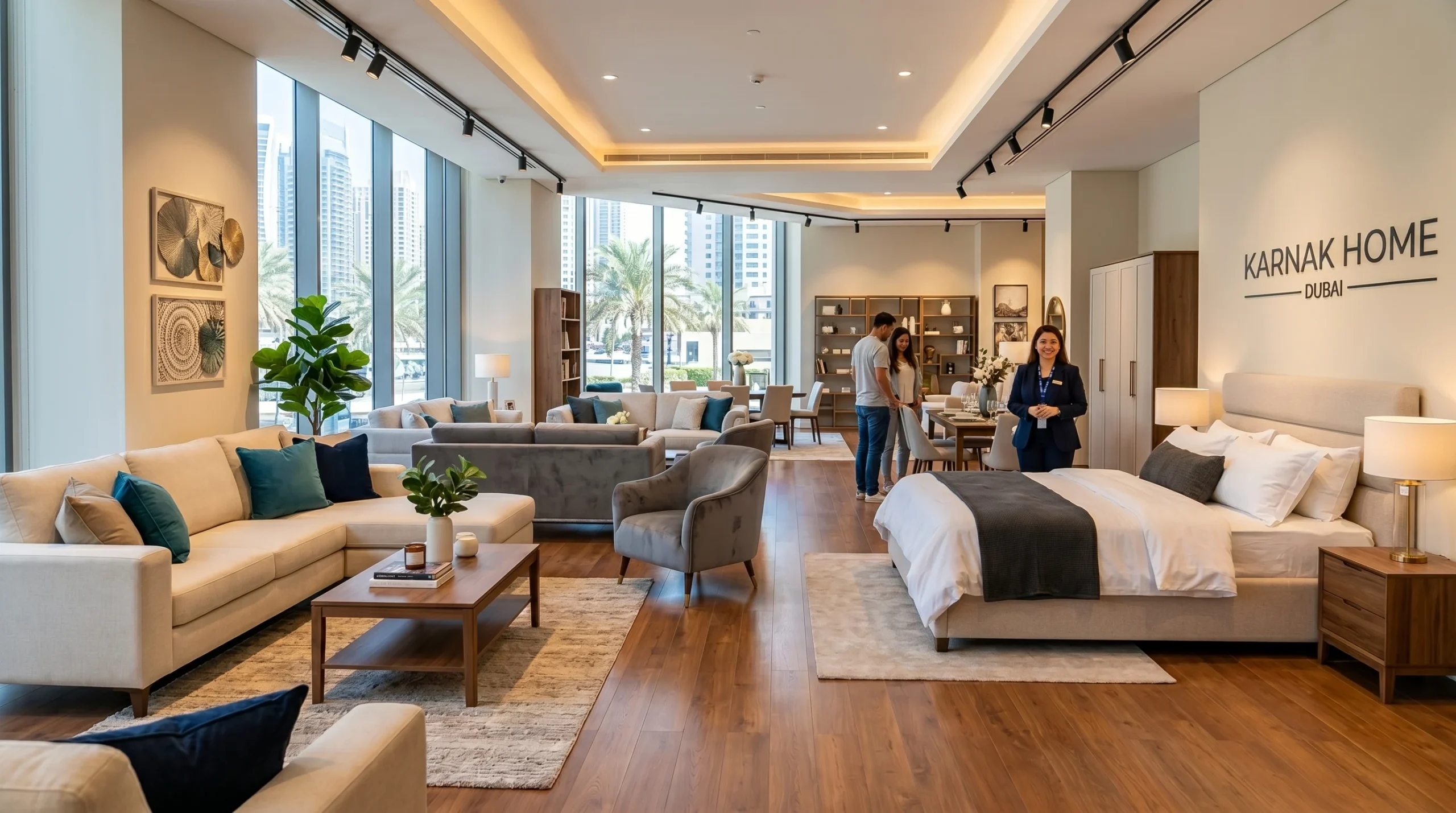
Understanding the real costs involved helps you make a clear-eyed comparison. Here are honest estimates for common repair and replacement scenarios in the UAE:
Common repair costs in Dubai: Sofa re-upholstery (3-seater): AED 900 – 2,500 depending on fabric. Foam replacement in sofa cushions: AED 200 – 600. Wardrobe track and roller replacement: AED 150 – 400. Dining table surface refinishing: AED 300 – 700. Chair joint re-gluing and reinforcement: AED 80 – 200 per chair. Bed slat replacement: AED 100 – 300. Leather sofa conditioning and minor repair: AED 300 – 800.
Quality replacement benchmarks at Karnak Home: A well-constructed family sofa: from AED 2,500. A solid wood or quality engineered dining table with chairs: from AED 1,800. A complete bedroom wardrobe with good internal organisation: from AED 1,500. A solid wood bed frame: from AED 1,200. Quality kids’ bedroom furniture set: from AED 1,000.
The comparison is often clearer than people expect. If your sofa frame is solid and the upholstery needs replacing, a AED 1,500 re-upholstery job to extend the life of a fundamentally good piece by another 8–10 years is excellent value. If the frame is failing and you’re looking at AED 2,000 in repair work, a replacement at AED 3,000 for a better-quality piece makes more practical sense.
Expert Tips from 35 Years of Furniture Experience in the UAE
After working with more than 70,000 UAE families since 1988, here’s what we consistently tell people when they’re facing this decision:
Buy quality once rather than budget twice. The families we see replace furniture most often are those who went for the cheapest option initially. Solid wood, quality frames, and good upholstery construction genuinely last — and cost less over time than cheaper furniture replaced repeatedly.
Pay attention to where your furniture lives. Pieces in direct sunlight, near exterior walls, or in rooms with extreme temperature fluctuations will degrade faster. Reorganise your space to protect furniture from the worst conditions — it’s free and it works.
Keep the original purchase receipts and warranties. Many quality furniture pieces come with structural warranties of 1–5 years. If a frame fails within warranty, repair or replacement should be covered. Families who can’t find their paperwork often end up paying for repairs that should have been free.
Assess the whole room, not just the piece. If you need to replace a sofa, think about whether the rest of the living room furniture still works well with whatever you bring in. Sometimes one replacement triggers a cascade of mismatched pieces that bothers you for years. Plan the room.
Children’s furniture safety should never be compromised. If there’s any doubt about the structural integrity of furniture your children use — especially beds and seating — replace it. The cost is never worth the risk.
Don’t be embarrassed to ask for help. Our team at Karnak Home’s showroom gives honest assessments — including telling families when we think repair is the better option over buying new from us. Thirty-five years of repeat business comes from being trusted, not from selling people things they don’t need.
Consider what “good enough” actually costs you. Furniture that’s always slightly uncomfortable, never quite the right size, or constantly needing attention is a daily friction in your home. Sometimes replacement isn’t a luxury — it’s an investment in quality of life.
Frequently Asked Questions (FAQs)
Start by checking the structure. If the frame is solid and the issue is cosmetic, like worn fabric, scratches, or loose joints, repair is usually worth it. If the structure is damaged, the piece is past its expected lifespan, or repair costs exceed 50–60% of replacement, it’s smarter to replace.
Yes. The UAE’s heat, humidity, strong sunlight, and constant air conditioning put extra stress on furniture. Wood expands and contracts, fabrics fade faster, and lower-quality materials like MDF can deteriorate quickly, especially in coastal areas.
Yes, if the frame is strong. Reupholstering typically costs AED 900–2,500 and can significantly extend the life of a quality sofa. But if the frame is creaking, sagging, or over 12–15 years old with multiple issues, replacement is usually the better option.
If you’ve repaired the same item multiple times and problems keep coming back, it’s time to replace it. Repeated repairs, especially on low-quality furniture, often cost more over time and don’t provide lasting reliability.
Yes. Any furniture with safety risks should be replaced immediately, such as unstable wardrobes, damaged bunk beds, cracked high chairs, or weakened tables. Also, mattresses should generally be replaced every 7–10 years, as they can’t be effectively restored once worn out.
هل أصلّح أم أستبدل؟ دليل عملي لاتخاذ قرار الأثاث في منازل الإمارات
تصل كل عائلة إلى تلك اللحظة الحاسمة: الأريكة التي شهدت عشرات التجمعات بدأت تفقد بريقها، باب الخزانة لم يعد يُغلق بإحكام، وطاولة الطعام تهتز مع كل استخدام. هنا يظهر السؤال الذي يتكرر في كل منزل تقريباً: هل أصلّح أم أستبدل الأثاث؟ في بيئة مثل الإمارات، الإجابة ليست بسيطة كما تبدو. فالعوامل المناخية القاسية من حرارة مرتفعة، رطوبة ساحلية، واستخدام مكثف للمكيفات تؤثر بشكل مباشر على عمر الأثاث في الإمارات.
لفهم القرار بشكل صحيح، يجب أولاً تقييم جودة القطعة الحالية. إذا كان الهيكل الأساسي متيناً — خصوصاً في الأرائك والأسِرّة — فإن إصلاح الأثاث في دبي أو إعادة التنجيد قد يكون خياراً ذكياً وموفراً. أما إذا بدأت المشاكل الهيكلية بالظهور، أو تجاوزت القطعة عمرها الافتراضي، فقد يكون استبدال الأثاث هو الاستثمار الأفضل على المدى الطويل.
هناك قاعدة عملية يعتمدها الخبراء: إذا تجاوزت تكلفة الإصلاح 50–60٪ من سعر قطعة جديدة بنفس الجودة، فالاستبدال غالباً هو القرار الأكثر منطقية. كذلك، لا يمكن تجاهل تغير نمط الحياة — انتقالك إلى منزل أكبر أو زيادة عدد أفراد العائلة قد يجعل الأثاث الحالي غير عملي، حتى لو كان بحالة جيدة.
من المهم أيضاً التمييز بين الضرر السطحي مثل الخدوش أو بهتان القماش، والضرر الهيكلي الذي يصعب إصلاحه. في الحالة الأولى، يمكن لخبير محترف إعادة الحياة للقطعة بسهولة. أما في الحالة الثانية، فإن الاستمرار في الإصلاح قد يتحول إلى تكلفة مستمرة دون نتيجة مرضية.
في النهاية، اتخاذ قرار اختيار الأثاث المناسب لا يعتمد فقط على الحالة الحالية، بل على القيمة طويلة المدى والراحة اليومية. الأثاث الجيد ليس مجرد عنصر ديكور، بل جزء أساسي من جودة حياتك في المنزل.
إذا كنت متردداً بين الإصلاح والاستبدال، تفضل بزيارة معرضنا أو تواصل معنا عبر واتساب للحصول على استشارة صادقة ومساعدة عملية تناسب احتياجات منزلك.
Conclusion: Making Your Decision
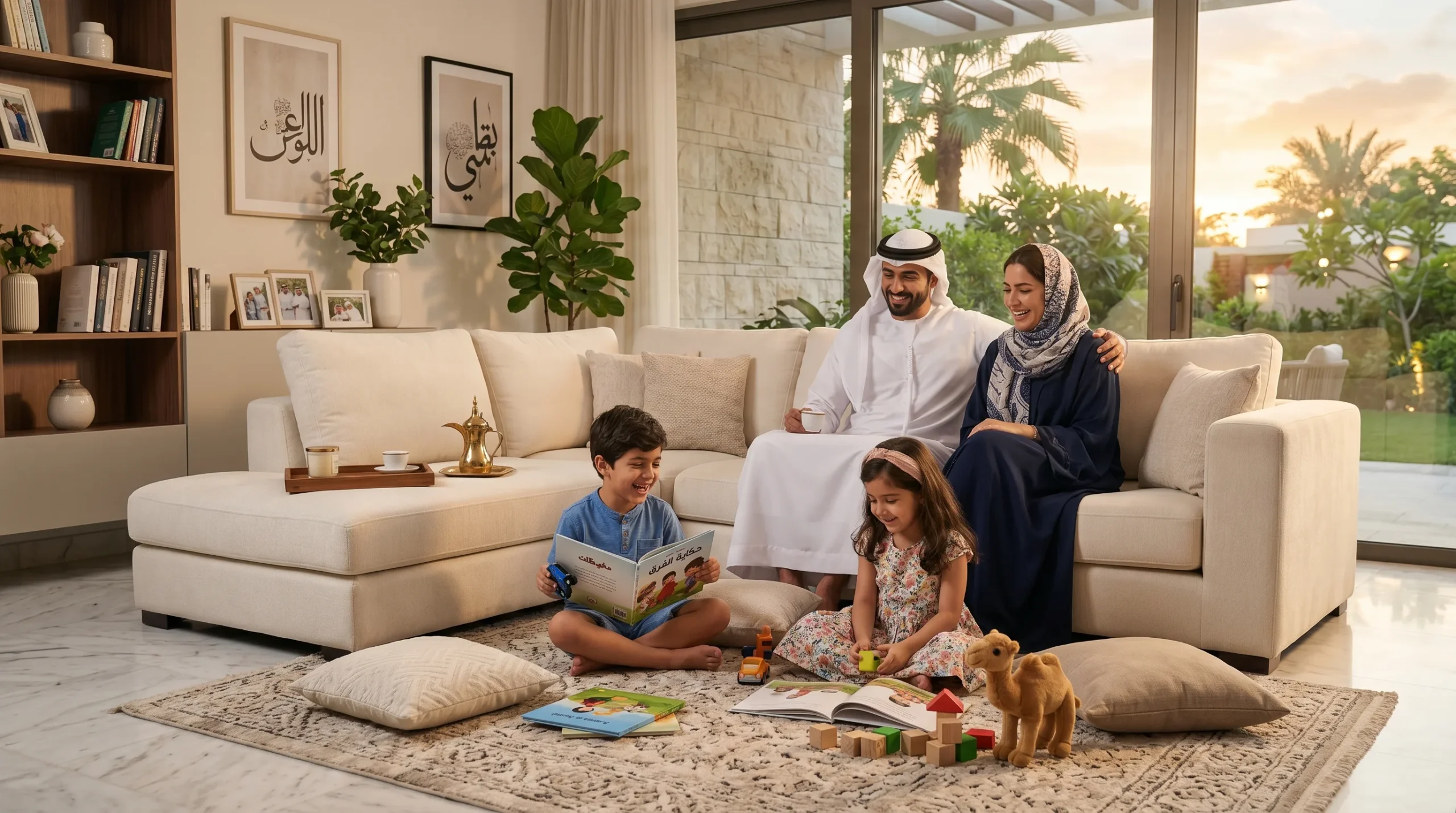
The repair versus replace decision comes down to three honest questions: Is the fundamental structure of the piece still sound? Is the cost of repair a reasonable proportion of what equivalent quality replacement would cost? And does this piece still serve your life as it is now?
If the answers are yes, yes, and yes — repair and keep it. If even one of those answers is clearly no, replacement is likely the right call. And if you’re genuinely unsure, an assessment from a qualified professional — whether a repair specialist or a furniture expert at a showroom — will give you the clarity to decide with confidence.
After 35 years and more than 70,000 families, we’ve learned that the families who end up happiest with their homes are the ones who make deliberate, informed decisions — not impulsive ones in either direction. That’s true whether you’re repairing a beloved sofa or investing in a new bedroom suite.
Key Takeaways:
- A sound structural frame is the most important factor in deciding whether to repair upholstered furniture — if the frame is good, repair is almost always worth considering.
- When repair costs exceed 50–60% of the cost of equivalent quality replacement, replacement is usually the better financial decision.
- Dubai’s climate — heat, AC cycling, and coastal humidity — shortens furniture lifespan compared to international benchmarks, so factor that into your expectations and maintenance habits.
Ready to Find the Right Furniture for Your Home?
Whether you’ve decided it’s time to replace, or you just want to see what quality furniture actually looks like and feels like before you commit, Karnak Home’s showroom is the best place to start. Our team has helped more than 70,000 UAE families since 1988, and we’re genuinely happy to talk through your specific situation, your space, your family, your budget, and point you toward what actually makes sense for you. No pressure, just honest guidance from people who know furniture.
Shop Online at Our Site : karnakhome.com
Visit Our Showroom: Karnak Home, Dubai — see full address and directions